

Home

Emergency

Fees

Blog

Contact

Call Now

Dental Crown Cost in London

A dental crown at Maida Smiles starts from £950 for porcelain and from £1,250 for e.max or zirconia. The final fee depends on the material, how much of the tooth is left, and whether any other treatment is needed first. We give you a written treatment plan with the cost before we start, so there are no surprises.

This page explains what you are paying for, why prices vary so much across London, how a private crown compares with an NHS one, and how to spread the cost if you need to.

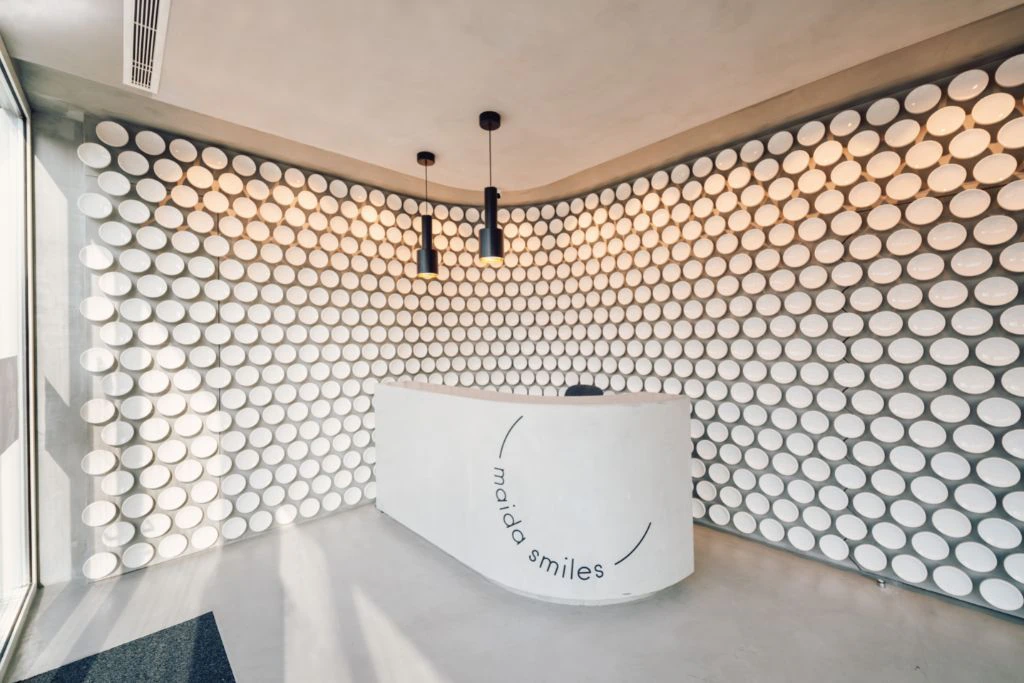
Reception at Maida Smiles private dental practice in Maida Vale

Key takeaways

  • Our private crown prices start from £950 (porcelain) and £1,250 (e.max and zirconia).
  • A crown fee is usually more than the crown itself. Preparation, a temporary crown, laboratory work and fitting all sit behind the price.
  • NHS crowns in England fall under the highest charge band (Band 3), a fixed charge per course of treatment. The current amount is on nhs.uk.
  • Treatments over £250 can be spread across 12 months at 0% finance.
Confident smile after PRGF dental treatment at Maida Smiles

How much does a dental crown cost at Maida Smiles?

Here are our current starting prices. They are "from" prices, because teeth differ, and we confirm your exact fee at your consultation.

Crown typeStarting priceBest suited to
PorcelainFrom £950Natural looking restorations, particularly for visible teeth
E.max (ceramic)From £1,250Visible teeth where appearance matters most
Zirconia (ceramic)From £1,250Strong restorations, including back teeth

[CONFIRM: prices against the prosthodontics fee page; fees for metal, porcelain fused to metal and same day crowns if offered]

If you would like to compare materials in detail, we have separate guides to porcelain crowns, e.max crowns and zirconia crowns. The other types we offer are covered in our overview of dental crowns.

View Fees

Dental crown cost FAQs

What is included in the price of a crown?

A crown is a cap that covers a damaged tooth to restore its shape, strength and appearance. Creating one takes more than the cap itself. When you compare quotes from different clinics, check what the figure covers. A good quote should explain each of these:

  • Your consultation and any images needed to plan the crown.
  • Preparing the tooth, which involves removing some of its outer surface so the crown fits.
  • A scan or impression of the prepared tooth.
  • A temporary crown to protect the tooth while the final one is made.
  • Laboratory fees for making the crown.
  • Fitting, bonding and a review of your bite.

Some clinics quote the laboratory fee separately, which can make a low headline price look cheaper than it is. [CONFIRM: what is included in the Maida Smiles crown fee, and whether the consultation is charged separately]

Why do crown prices vary so much in London?

There is no national price list for private dentistry, so each clinic sets its own fees. Several things drive the difference.

Material. Ceramic crowns made from e.max or zirconia usually cost more than traditional metal based options because of the materials and the laboratory skill involved. The Oral Health Foundation also notes that some ceramic crowns are designed by computer and fitted in a single visit, which often makes them more expensive.

The state of your tooth. If a tooth has broken down heavily, it may need a build up before the crown can be placed. If it has had root canal treatment, a post or core may be needed to support the crown. According to Leeds Teaching Hospitals NHS Trust, crowns on root filled teeth often need this extra support.

Number of visits and technology. Most crowns take two visits: one to prepare the tooth and fit a temporary, and a second, around two weeks later, to fit the finished crown. Same day systems exist, and they come with their own costs. [CONFIRM: whether same day crowns are currently offered, with price]

Clinical time and standards. Private fees reflect appointment length, the clinician's experience, the laboratory used and the checks done at each stage. It is worth asking about all of these, not only the price.

What extra costs might come with a crown?

The crown is sometimes only part of the treatment. Before you decide, ask whether you might need:

  • Root canal treatment if the tooth is infected or the nerve is damaged. Our guide to root canal treatment explains when this is needed.
  • A core build up or post to rebuild a very broken tooth.
  • Gum treatment if the tooth is surrounded by inflamed gums, because crowns need a healthy foundation.
  • Replacing an old crown, which can involve removing the old one and checking the tooth underneath.

If a crown comes loose or breaks, do not wait. If you already have a broken crown, we explain what to do and how to book a same day slot. Emergency appointments are charged separately on our fee list.

NHS crown or private crown: what is the difference?

In England, crowns on the NHS fall under Band 3, the highest of the three NHS charge bands. It covers crowns, bridges, dentures and inlays or onlays, and you pay one fixed charge per course of treatment. The current amount is published on the NHS website.

Maida Smiles is a private practice. [CONFIRM: that no NHS treatment is provided] The NHS charge covers treatment that is clinically necessary, and the NHS says some alternatives, such as non metal crowns, may be offered privately instead. Private care gives you a wider choice of materials and more control over appointment times. Whether that matters to you depends on the tooth, your budget and how you want it to look.

Which crown for which tooth?

The right material depends on where the tooth sits, how hard you bite and how visible the crown will be. The Oral Health Foundation describes the main options like this. Porcelain bonded to metal is one of the most common types, with a strong metal base under tooth coloured porcelain. All porcelain crowns give a very natural look and are often used on front teeth, but are not as strong as some other options. Gold, mixed with other metals, is very durable and usually used on back teeth, though it is not tooth coloured. Ceramic crowns are metal free, look natural and are described as strong enough for all areas of the mouth.

In plain terms, front teeth usually call for the most lifelike material, and back teeth, which take the heaviest chewing forces, call for strength. Many patients end up with a ceramic crown on both, which is part of why those materials sit higher in the price table. Your dentist will take your bite, your grinding habits and your budget into account before recommending one.

What happens at each visit?

Understanding the process helps explain the fee. At the first visit, the tooth is numbed and shaped so that the crown will fit over it. A scan or impression is taken, and a temporary crown is placed to protect the tooth. According to Leeds Teaching Hospitals NHS Trust, the finished crown is usually fitted around two weeks later. At the second visit, the temporary crown is removed, your dentist checks the fit, colour and bite, and the crown is bonded in place.

In between, treat the temporary crown with care. Avoid sticky or very hard foods on that side, and clean the area gently. If it comes off, call us rather than leaving the tooth exposed. If your tooth is badly broken but the root is strong, the Oral Health Foundation notes that a post may be used to hold the crown, which is one of the add on costs mentioned above.

How to read a crown quote

Two quotes for a crown can look very different and still be describing the same thing, or describing quite different treatment. When you compare, ask each practice these questions.

  • Is the figure for the crown only, or does it include the preparation, temporary crown, laboratory fee and fitting?
  • Is the consultation, any imaging or a bite review charged separately?
  • What material is being quoted, and why is it suitable for this tooth?
  • Will the tooth need a build up, a post or root canal treatment first, and what would that add?
  • What happens if the crown comes loose or breaks, and is there any review or adjustment period included?
  • Is the quote written down and itemised?

A practice that is happy to answer all of these is usually a practice you can trust with the work.

When a crown may not be the right answer

A crown removes some of the outer tooth structure to make room for itself, which Leeds Teaching Hospitals NHS Trust points out is a real consideration. It lists situations where crowns are generally not advised, including poor oral hygiene, a high rate of decay, active and extensive gum disease, and teeth that have only had minimal restoration. Clenching and grinding also make crowns more vulnerable, and in young patients other options are usually preferred.

That is why a good consultation is not just a sales conversation. Sometimes the best advice is to treat gum disease first, to repair the tooth with a filling, or to monitor it. If a crown is recommended, it should be because the tooth really does need it, for example after a large filling has weakened it, following root canal treatment, because of wear or cracking, or to support a bridge or denture.

How long will a dental crown last?

According to Leeds Teaching Hospitals NHS Trust, a crown should normally last around 8 to 10 years, depending on regular check ups, good brushing and flossing, and a low sugar diet. The Oral Health Foundation says many crowns last for years with proper care. Clinics sometimes quote much higher figures, but your own habits, such as grinding your teeth at night, make a big difference.

A crown protects the tooth. It does not make the tooth immune to decay at the edge, so cleaning around it matters.

Are there alternatives to a crown?

Not every damaged tooth needs a crown. Depending on the problem, your dentist may suggest a large white filling, an onlay (a partial restoration that covers the biting surface), or a veneer for a front tooth that only needs its front surface repaired. According to Leeds Teaching Hospitals NHS Trust, a veneer removes less of the tooth than a crown but only covers the front. If a tooth cannot be saved, a bridge or implant may be better, and the costs of a dental bridge show how that route compares.

How can I pay for a crown?

Treatment costing more than £250 can be spread over 12 months interest free. Longer terms may carry interest, and the options are set out under dental finance. We also accept many private health insurers, so it is worth checking whether your policy contributes. Contact us and we can advise on the paperwork.

Is a crown worth the cost?

It is a fair question. A crown costs more than a filling, and it only makes sense when a filling cannot do the job. When a tooth is heavily broken down, a large filling can leave the remaining walls weak, and a crown protects them by covering the whole tooth. If you took the 8 to 10 years the NHS suggests as a typical lifespan, a crown that starts from £950 works out at roughly £95 to £119 per year of use. That figure is only an illustration, because some crowns last less and some far longer.

What matters more is the cost of not treating a tooth that needs protection. A cracked or heavily filled tooth that fails can end up needing an extraction and a replacement, which costs more and takes longer. We would rather talk you through this plainly than push you towards the more expensive route.

Why choose Maida Smiles for a crown?

We are a private practice in Maida Vale, two minutes on foot from the tube, open until 8pm on Tuesdays and Thursdays. Your crown plan is explained and priced in writing before anything starts. If you are not sure whether you need a crown at all, we are happy to give you a second opinion.

How much is a crown on a front tooth in London?

It depends on the material and the dentist, but visible teeth are usually restored with ceramic crowns. At Maida Smiles, porcelain starts from £950 and e.max from £1,250. We confirm the exact figure after examining the tooth.

Is zirconia more expensive than porcelain?

At our practice, zirconia crowns start from £1,250 and porcelain from £950. Zirconia is a ceramic material and suits many teeth, including back teeth. Your dentist will advise which is right for your bite.

Does the crown price include a consultation and X rays?

Not always, and it varies between clinics. Check what is included before you compare quotes. We list the new patient examination at £110 on our fee page, and your treatment plan will itemise anything else.

Can I get a crown on the NHS?

Yes, in England crowns fall under NHS Band 3 when they are clinically necessary and you see an NHS dentist. The NHS website shows the current charge. Maida Smiles is a private practice, so our crown fees are private fees.

How long does a crown take to make?

Usually two visits about two weeks apart. You wear a temporary crown in between.

Do crowns hurt?

The tooth is numbed before it is prepared, so you should not feel pain during treatment. Some sensitivity afterwards is common and usually settles. If it does not, or your bite feels high, contact us.

Can I pay for a crown monthly?

Yes. Treatments over £250 can be spread over 12 months at 0% finance.

What we offer

Your local dentist for life, Maida Smiles Dental Clinic in Maida Vale,  is a cosmetic, restorative and dental implant clinic in the heart of  London that also serves patients with general, everyday smile concerns.  We’re here no matter your smile concern.

See all services

Three Maida Smiles team members smiling together in a treatment room

Want an exact price for your tooth? Book a consultation at Maida Smiles, 207 to 209 Sutherland Avenue, London W9 1RU, or call 020 3583 9809.

New Patient Registration

Fill the form

Thank You!

Thank you for getting in touch. We have received your details and a member of our patient care team will be in touch shortly. Please look for an email from us within the next few hours.

OK

Oops! Something went wrong while submitting the form.
WhatsApp