

Home

Emergency

Fees

Blog

Contact

Oral Surgery

Oral surgeons in London

Maida Smiles Clinic offers bespoke oral surgery treatments with excellent aesthetic and functional outcomes.

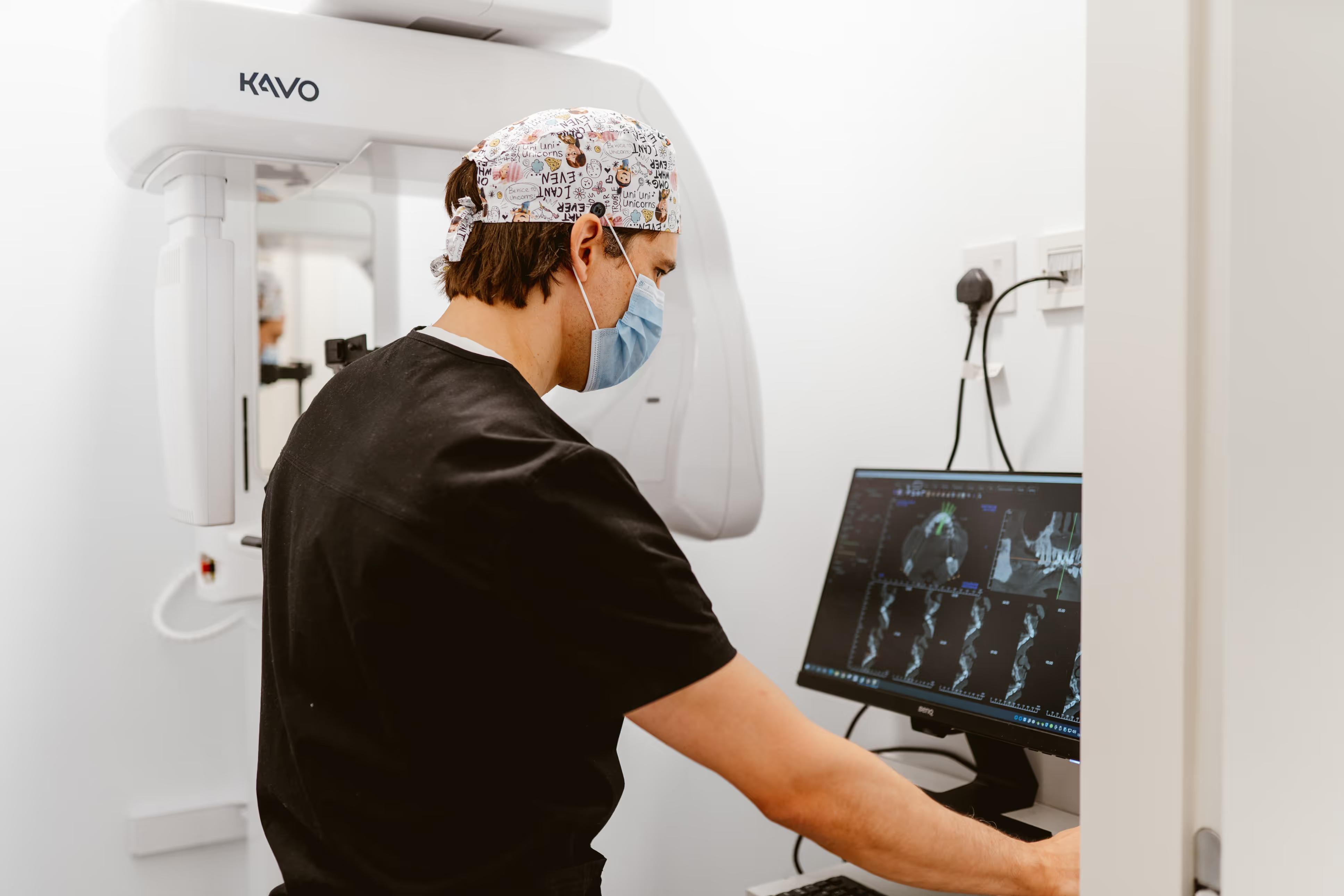
Our specialist oral surgeons are experienced in a wide range of surgical procedures, from wisdom teeth removal and complex extractions to bone grafts and sinus lifts. We treat patients from across London, offering sedation options for nervous patients and in-house 3D scanning technology for accurate surgical planning.

Tooth-shaped wayfinding sign on a wall at Maida Smiles dental clinic

Nervous about oral surgery?

we offer dental sedation to help

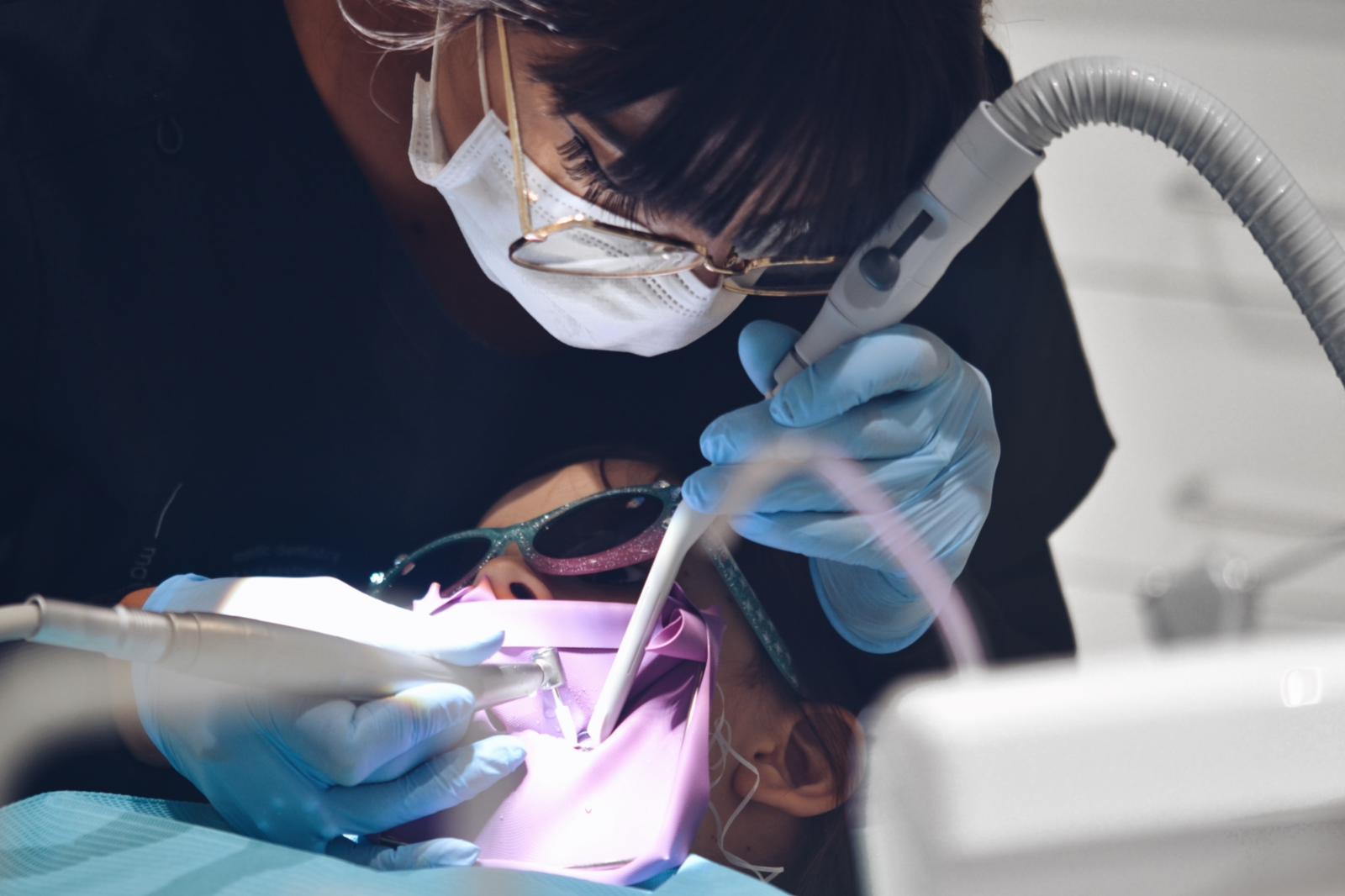
Nervous patients or people who have had bad experiences at the dentist will prefer to have sedation for their treatments instead of having the treatment carried out by administering local anaesthetic alone.

  • We can perform most dental treatments under conscious sedation, which makes the procedure easier and provides a better experience.
  • These sedation techniques will help you relax while in the chair and distract you from the procedure being carried out.
  • It involves administering a sedative drug before the dental treatment, helping the patient forget the surrounding clinical environment, reducing anxiety.
  • Depending on the sedative agent used, the sedation may also help numb your mouth.
  • The dental procedure is then carried out as normal, with minimal disruption and very limited lasting memory of the treatment for the patient.
Confident smile after PRGF dental treatment at Maida Smiles

Oral Surgery Treatments We Offer

  • Wisdom teeth removal — including impacted and partially erupted wisdom teeth
  • Complex tooth extraction — where standard removal is not possible
  • Bone grafting — to rebuild bone volume ahead of dental implant placement
  • Sinus lift — to create sufficient bone height for upper jaw implants
  • Platelet-Rich Fibrin (PRF) treatment — to support natural healing after surgery

Below, we dive deeper into the treatments our dentists might recommend oral surgery for…

Wisdom teeth removal

The removal of wisdom teeth is one of the most common surgical procedures carried out in the UK.

  • A wisdom tooth extraction will start with the administration of local anaesthetic and the wisdom teeth will be removed during the same dental appointment.
  • Some people suffer from overcrowding of teeth within the mouth, often exacerbated when the wisdom teeth break through. On many occasions, wisdom teeth are incorrectly positioned in the mouth, they can potentially cause tooth decay on the teeth next to them and cannot be easily corrected.
  • They can cause severe pain and inflammation of the gum. In these situations, the removal of the wisdom teeth may be the best alternative.

Complex tooth extraction

Tooth extraction involves the removal of a tooth from your jaw bone.

  • Tooth extraction usually occurs when there is too much damage to a tooth and it simply cannot be repaired.
  • Decay, infection and crowding are other key triggers for tooth removal. For Regular extractions patients receive a local anaesthetic, which numbs the area around your tooth so you’ll feel only pressure, not pain, during the procedure.
  • The dentist then uses an instrument called an elevator to loosen the tooth and forceps to remove it. Tooth extraction is usually a quick procedure. When you have a damaged tooth, your dentist will aim to fix it and save the tooth by using dental treatments such as root canals, crowns or fillings.

If The Tooth Is Too Badly Damaged Then Extraction Is Needed.

  • Excessive tooth decay, tooth infection, and crowding can also lead to tooth extractions.
  • Those who get braces may need one or two teeth removed to provide room for their other teeth as they shift into place.
  • Additionally, those who are undergoing chemotherapy or are about to have an organ transplant may need compromised teeth removed in order to keep their mouth healthy.

Platelet Rich Fibrin Treatment

Advances in dental treatments techniques and innovative equipment is changing the perception of dental treatments in general, leading to better outcomes and an overall better experience while at the dentist.

PRF is a living biomaterial derived from a patient’s own blood that helps to promote healing and the regeneration of bone and soft tissue, both of which are critical to the success of any oral surgery procedure.

View Fees

Frequently Asked Questions

Wisdom teeth removal

The removal of wisdom teeth is one of the most common surgical procedures carried out in the UK.

  • A wisdom tooth extraction will start with the administration of local anaesthetic and the wisdom teeth will be removed during the same dental appointment.
  • Some people suffer from overcrowding of teeth within the mouth, often exacerbated when the wisdom teeth break through. On many occasions, wisdom teeth are incorrectly positioned in the mouth, they can potentially cause tooth decay on the teeth next to them and cannot be easily corrected.
  • They can cause severe pain and inflammation of the gum. In these situations, the removal of the wisdom teeth may be the best alternative.

Complex tooth extraction

Tooth extraction involves the removal of a tooth from your jaw bone.

  • Tooth extraction usually occurs when there is too much damage to a tooth and it simply cannot be repaired.
  • Decay, infection and crowding are other key triggers for tooth removal. For Regular extractions patients receive a local anaesthetic, which numbs the area around your tooth so you’ll feel only pressure, not pain, during the procedure.
  • The dentist then uses an instrument called an elevator to loosen the tooth and forceps to remove it. Tooth extraction is usually a quick procedure. When you have a damaged tooth, your dentist will aim to fix it and save the tooth by using dental treatments such as root canals, crowns or fillings.

If The Tooth Is Too Badly Damaged Then Extraction Is Needed.

  • Excessive tooth decay, tooth infection, and crowding can also lead to tooth extractions.
  • Those who get braces may need one or two teeth removed to provide room for their other teeth as they shift into place.
  • Additionally, those who are undergoing chemotherapy or are about to have an organ transplant may need compromised teeth removed in order to keep their mouth healthy.

New Patient Registration

Fill the form

Step 1/2

New Patient Registration

Medical Questions

Step 2/2

Thank You!

Thank you for getting in touch. We have received your details and a member of our patient care team will be in touch shortly. Please look for an email from us within the next few hours.

OK

Oops! Something went wrong while submitting the form.
WhatsApp